Replacing an Aging AC System in Glendale: When to Start Planning
Most air conditioners do not fail at a convenient time. In Glendale, that usually means the breakdown happens during a hot stretch when the house is already uncomfortable, the equipment is working at its limit, and homeowners suddenly find themselves searching for emergency HVAC services instead of making a calm, informed replacement decision.
That is why planning matters. If your AC is aging, noisy, losing capacity, or needing repair after repair, the best time to think about replacement is before it becomes an emergency. A planned project gives you time to compare equipment options, ask better questions, look at energy efficiency, and schedule installation before peak demand fills the calendar for emergency HVAC services across greater Los Angeles.
In Glendale, that timing matters more than some homeowners realize. Local climate information describes a generally mild climate overall, but warmest-month conditions still put real strain on cooling systems. Nearby Pasadena climate data shows average highs in summer rising into the upper 80s, with hot spells that can push past 100 degrees. In practical terms, that means an older AC that seems acceptable in spring can start struggling fast once serious heat arrives. When that happens, homeowners often end up needing emergency HVAC services when they would rather have had time to plan.
If you are trying to decide whether to keep repairing an older system or start preparing for replacement, here is how experienced technicians usually look at it.
Why waiting too long often costs more
An air conditioner rarely goes from perfect to dead overnight. More often, it declines in stages. First, it runs longer than it used to. Then certain rooms stop cooling evenly. Energy bills start creeping up. The system may trip a breaker, freeze a coil, struggle at startup, or make louder fan and compressor noise. At that point, many homeowners choose one more repair because the unit still turns on.
Sometimes that is reasonable. Sometimes it is not.
The problem is that older systems tend to fail in clusters. A capacitor may be replaced this summer, then a condenser fan motor goes next, then a leak appears, then the compressor starts overheating. None of those issues exists in isolation. Once wear accumulates across the system, you are not just repairing one bad part. You are trying to keep an aging machine alive through another Valley heat cycle.
That is often when people begin calling for emergency HVAC services. They are not only dealing with one broken component. They are dealing with timing, comfort, family routine, work-from-home needs, indoor air quality, and the pressure of making a large decision in the middle of a heat event.
A planned replacement usually gives you better control than an emergency replacement. You can review the duct condition, thermostat compatibility, equipment sizing, electrical needs, and installation schedule without the stress that comes with a same-day loss of cooling.
Signs your Glendale AC is entering the planning stage
You do not need to wait for total failure to start the conversation. In the field, a few signs usually tell you a homeowner should at least begin planning, even if the current system is still operating.
- The system is needing repairs more often than it used to.
- Cooling is uneven from room to room or floor to floor.
- The AC runs for very long cycles during hotter afternoons.
- The unit is louder, shakier, or harder to start.
- Your summer electric bills are rising without another obvious cause.
Another important sign is age combined with performance decline. Even if a system can still be repaired, that does not always mean it is the right long-term call. A repair may restore operation, but it does not reset wear on the compressor, blower, coil, controls, and refrigerant circuit.
One common field scenario goes like this: a homeowner says the AC is “working, just not like it used to.” That phrase matters. It usually means comfort has already changed enough to notice. If the house cools slowly, never quite reaches set temperature on hotter days, or gets muggy by evening, the replacement clock may already be ticking.
Why Glendale homeowners should not judge AC health on mild days alone
Aging systems can look fine in easy weather. A unit may appear to cool acceptably on a pleasant day, then fall apart when outdoor temperatures jump and the load on the house increases. That is one reason homeowners get surprised and end up needing emergency HVAC services after assuming the old system had another year left.
Summer cooling demand in this part of Southern California can rise quickly. The broader region sees hot, dry conditions, and nearby climate data shows that heat spells can move well beyond average summer highs. Once that happens, an older AC has to reject more heat, run longer cycles, and keep up with solar gain through windows, attic heat, and normal household activity. Weak components that were hanging on in moderate weather often fail under that added strain.
That is also why experienced contractors do not evaluate replacement timing based only on whether the equipment turns on today. The better question is whether it is likely to handle the next hot period without forcing you into emergency HVAC services.
Repair or replace is usually a judgment call, not a slogan
Homeowners often want a simple rule, but real HVAC decisions are more nuanced than that. A repair can make sense if the system has been reliable, the issue is isolated, and the overall equipment condition is still strong. Replacement starts making more sense when the repair solves only one symptom while the larger system keeps showing signs of decline.
For example, replacing a failed capacitor on an otherwise healthy unit is one thing. Replacing a capacitor on an old unit with weak airflow, high operating noise, poor temperature control, and a history of recent service calls is something else. In the second case, the homeowner is often paying to delay a bigger decision by a few weeks or months.
That does not mean every older AC needs immediate replacement. It means the decision should account for more than the current repair ticket. You want to look at reliability, efficiency, comfort, and the risk of a mid-season failure that pushes you toward emergency HVAC services.
What proper replacement planning should include
A good replacement process is not just choosing a brand and swapping boxes. Done properly, it starts with the house itself.
A contractor should look at the home’s cooling load, layout, insulation condition, duct performance, return air path, thermostat location, and comfort complaints. If one bedroom is always hot, if airflow is weak at the far end of the house, or if the unit short-cycles, those details matter. Installing new equipment without addressing the reason the old system struggled can leave the homeowner with an expensive upgrade that still does not feel right.
That is one reason planned work is preferable to emergency HVAC services whenever possible. With enough lead time, the conversation can go beyond “what can we get in today” and move toward “what will cool this home correctly over the long run.”
Equipment size is especially important. Bigger is not automatically better. An oversized system can cool too quickly without running long enough for balanced comfort, while an undersized one may run constantly during hotter weather. Proper sizing depends on the home, not guesswork based on the old nameplate.
It is also worth looking at efficiency and controls. A homeowner replacing an older unit may be surprised by how much comfort can improve with quieter operation, steadier temperatures, and better airflow management, even before talking about utility use.
When to start planning if your AC still runs
The best time to start planning is when the system is still operating but clearly aging. That gives you options. You can schedule an inspection, ask what condition the major components are in, and decide whether to repair for one more season or move ahead with replacement on your terms.
In practice, several moments tend to be the right trigger:
- After the first expensive repair on an older unit.
- When your system struggles during the first real heat wave.
- When comfort problems are becoming consistent, not occasional.
- When you know the AC is nearing the end of its useful life and you want to avoid emergency HVAC services.
Spring and early summer are often easier planning windows than the middle of a severe hot spell. Schedules are usually less compressed, and homeowners have more time to review options carefully. That said, if the system is already showing clear distress, it is smart not to wait for a full breakdown.
How emergency HVAC services fit into the picture
There is still a place for emergency HVAC services. Sometimes a family has no warning. A compressor fails, the blower quits, or the unit stops in a heat event and cooling needs to be restored quickly. In those cases, emergency response is exactly what the homeowner needs.
But from a planning standpoint, emergency HVAC services should be the backup plan, not the strategy. If your AC has been giving signals for months, relying on it until failure usually leaves you making a major decision under pressure. That pressure can shorten the fact-finding process and narrow your scheduling choices.
Homeowners are often relieved when a technician gives a straight answer: yes, this can be repaired today, but here is what the rest of the system looks like and here is why you should begin planning now. Honest guidance like that is more useful than pushing either a repair or a replacement without context.
If you are weighing those options, Green Planet Heating & Air offers emergency HVAC services as well as system evaluations for homeowners who want to get ahead of a failing unit.
What to ask before replacing an aging AC
If you are in the planning stage, the right questions can tell you a lot about the quality of the proposal.
Ask how the contractor is determining system size. Ask whether the existing ductwork is helping or hurting performance. Ask what efficiency level makes sense for your home and usage pattern. Ask whether the existing thermostat and electrical setup are compatible. Ask what condition the air handler, coil, and refrigerant line set are in if only part of the system is being discussed.
You should also ask what comfort problems a replacement is expected to solve. That might sound obvious, but it is one of the most useful questions in HVAC. If your second floor overheats late in the day, if one side of the house gets weak airflow, or if the old unit was always noisy, the installation plan should address those issues directly.
A good proposal should feel educational, not rushed. That is especially true when homeowners are trying to avoid ending up in emergency HVAC services later in the season.
Field reality: the unit that “made it through last summer”
One of the most common homeowner assumptions is that if the system survived last summer, it will probably survive this one too. In the field, that is not always how it works.
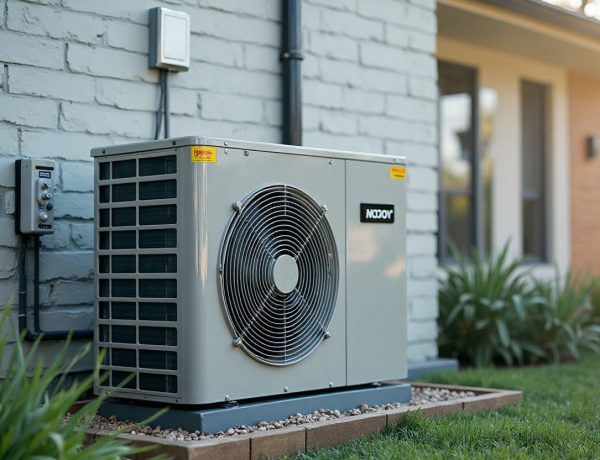
An older condenser may have finished the previous season with a weakening fan motor, a hard-starting compressor, dirty coil surfaces, or electrical parts already wearing out. It did not reset over the winter. It simply got a break. Once the next sustained heat period arrives, those same weaknesses return under load. That is how a unit that seemed acceptable in April can become a same-week crisis in July.
That is also why the phrase emergency HVAC services comes up so often with aging equipment. The emergency is usually the final chapter of a problem that had been building for a while.
Planning ahead also helps with household disruption
Replacing an AC affects more than temperature. It affects work schedules, pets, kids, sleep, and daily routine. Planned replacement lets you choose a date, prepare the home, ask installation questions, and coordinate around your life. That is very different from discovering at 5 p.m. That the house will not cool and the next few days are going to be difficult.
In Glendale and nearby communities, where hotter stretches can arrive fast, that preparation has practical value. Even if your current unit can still be repaired, it may be worth asking whether the repair is buying meaningful time or just increasing the odds that you will need emergency HVAC services later.
The smartest replacement timeline is usually earlier than homeowners think
Many people start planning only after the AC fails. A better window is usually when the unit is still functioning but no longer trustworthy. That is the point where you can compare options clearly, protect comfort before peak heat, and avoid making a major home decision in a rush.
If your Glendale AC is aging, struggling in warm weather, or stacking up repair calls, start the conversation now rather than waiting for emergency HVAC services to become unavoidable. Green Planet Heating & Air is a licensed, eco-conscious HVAC contractor with over 20 years of Southern California experience, and you can reach the team at +1 (818) 450-5667.
META TITLE: AC Replacement Planning in Glendale, CA | Green Planet HVAC
META DESCRIPTION: Aging AC in Glendale, CA? Learn when to plan replacement before a breakdown. Licensed, eco-friendly HVAC with upfront pricing. Call (818) 450-5667
Q: When should I replace my old AC instead of waiting for it to fail?
A: If your system is needing repeated repairs, struggling during hotter afternoons, cooling unevenly, or getting louder over time, it is smart to start planning before it quits completely. Replacing an aging unit on your schedule is usually easier than making the decision during a heat event when you need emergency HVAC services right away.Q: Can an older AC still work fine on mild days and fail during a heat wave?
A: Yes. Older equipment often seems acceptable in moderate weather, then loses capacity or breaks down when temperatures climb and the system runs longer under heavier load. That pattern is common in Southern California and is one reason many homeowners get pushed into last-minute emergency HVAC services.Q: What should a contractor check before recommending AC replacement?
A: emergency HVAC contractor A proper evaluation should look at more than the outdoor unit. The contractor should review cooling load, airflow, duct condition, thermostat setup, comfort complaints, and the overall condition of the system so the replacement solves the real problem instead of just swapping equipment.FAQ BANK:
- How do I know if my AC repair is worth the cost?
- Is it better to replace an air conditioner before summer starts?
- Can bad ductwork make a new AC perform poorly?
- Why does my house cool unevenly even when the AC is running?
- What happens if my AC is oversized or undersized?
Did you know?
Hot spells matter more than average weather
A system that seems fine on a mild day can struggle when hotter weather arrives. Nearby climate data for Pasadena shows summer highs commonly reaching the upper 80s, with hot spells that can exceed 100 degrees, which helps explain why aging AC systems often fail under peak demand.Dry heat still puts heavy stress on cooling equipment
Southern California summers are not just warm. They are also very dry, which often means AC systems run for long periods to hold indoor temperature during peak afternoon heat.Planning beats panic replacement
When homeowners start replacement planning before the unit fails, there is more time to evaluate sizing, duct performance, and comfort issues. That usually leads to a better installation decision than choosing equipment in the middle of an emergency.FACT BANK:
- Glendale’s climate is generally mild overall, but warmest-month conditions still create real cooling demand.
- Nearby foothill and valley areas can see heat events well above normal summer averages.
- A replacement plan should consider airflow and duct condition, not just the condenser outside.
- An older AC does not recover over winter; worn parts are still worn when the next cooling season starts.